
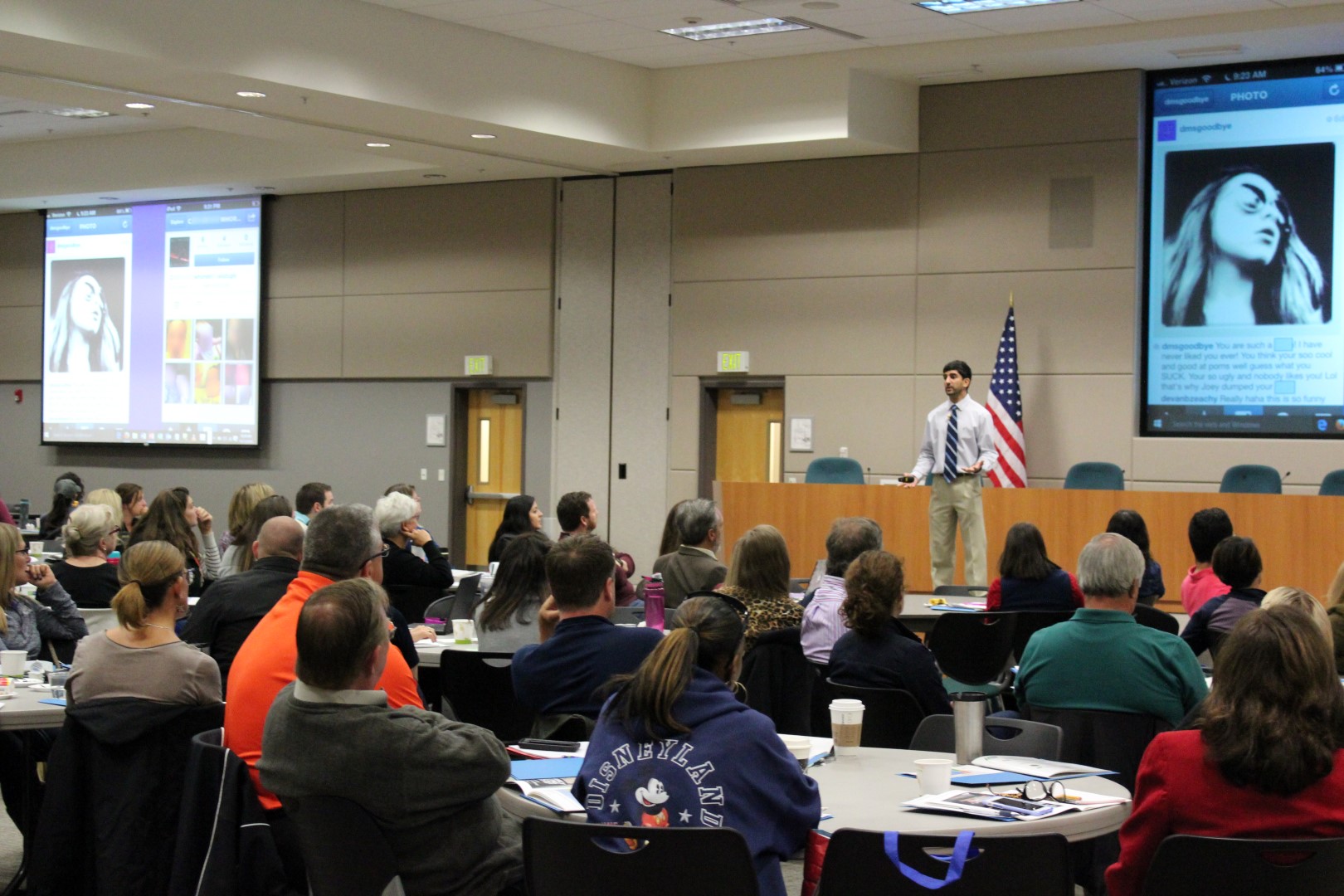
Bullying and Cyberbullying: How Schools Can Help Parents Do Their Part
This talk will teach participants to help educators form an alliance with parents to address bullying and cyberbullying where both realize they need to work together.
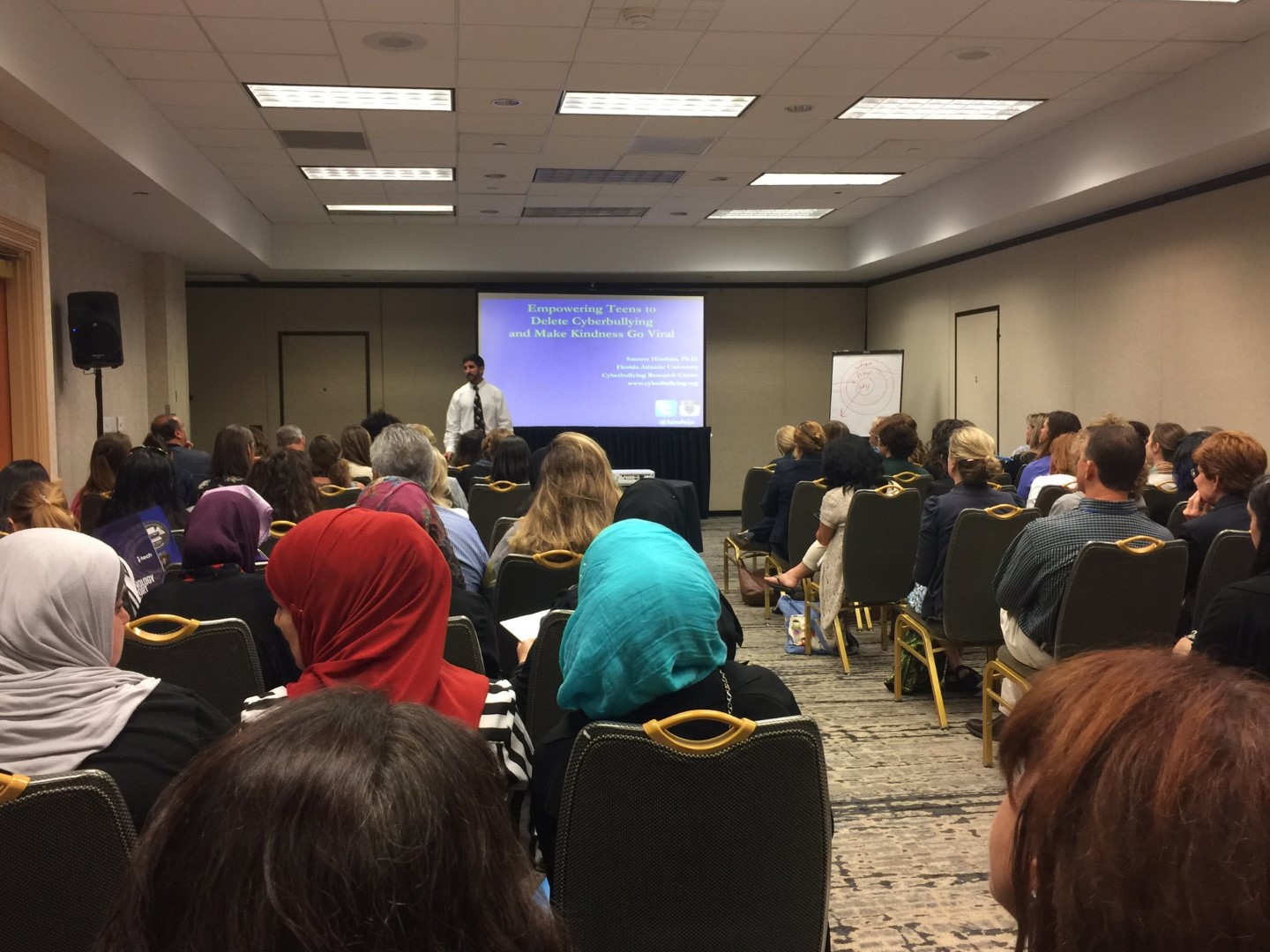
Empowering Teens to Delete Cyberbullying and Make Kindness Go Viral
This talk will teach educators how to lead students in transforming their schools and communities through bullying prevention and kindness initiatives.
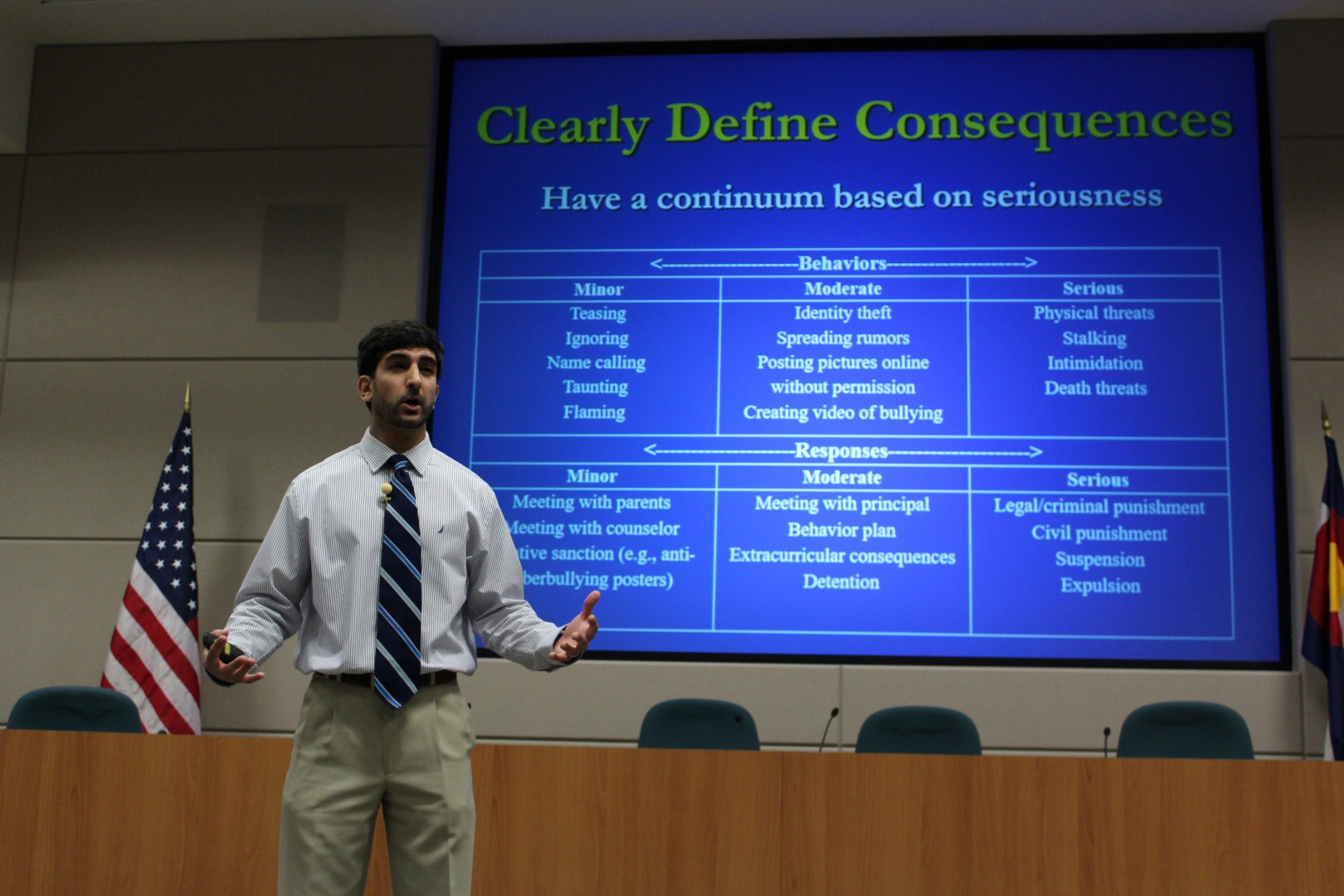
Cyberbullying: Actionable Strategies for Administrators
This talk will teach administrators how to structure their policies, programs, and practices to respond to cyberbullying and promote appropriate student interactions.
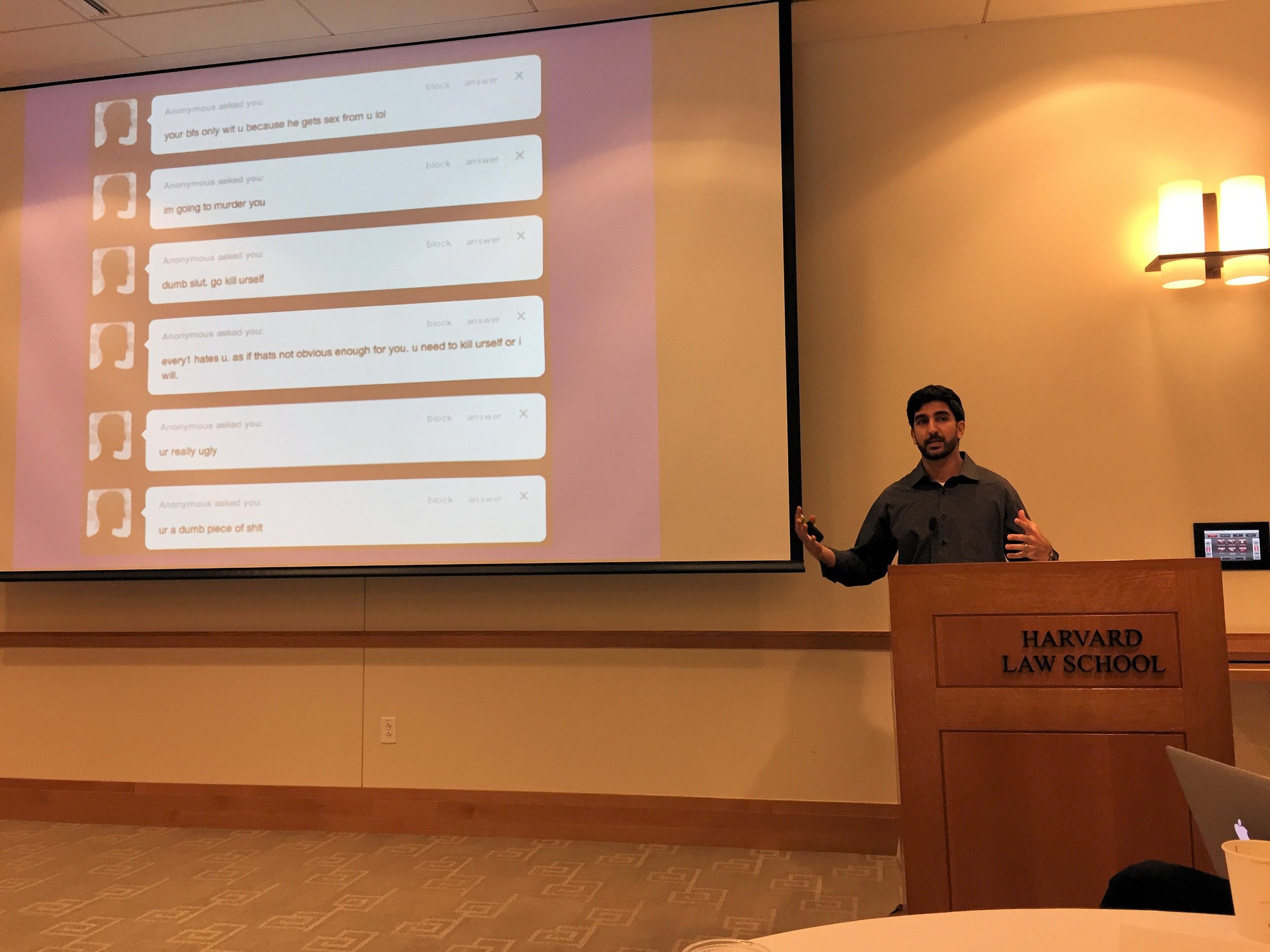
AI Solutions to Cyberbullying and Social Media Abuse
We discuss how developments in AI through machine learning can help reduce cyberbullying and toxicity online, and promote the positive use of social media over time.
Preventing Cyberbullying Through Vicarious Supervision: Results from New Research
I’ve long been interested in the role of parents in preventing children from participating in problematic behaviors online. Parents should talk with their children about the responsible use of technology and allow access to apps and games at developmentally appropriate ages and in proper amounts. They should also utilize appropriate tools to restrict incidental access […]
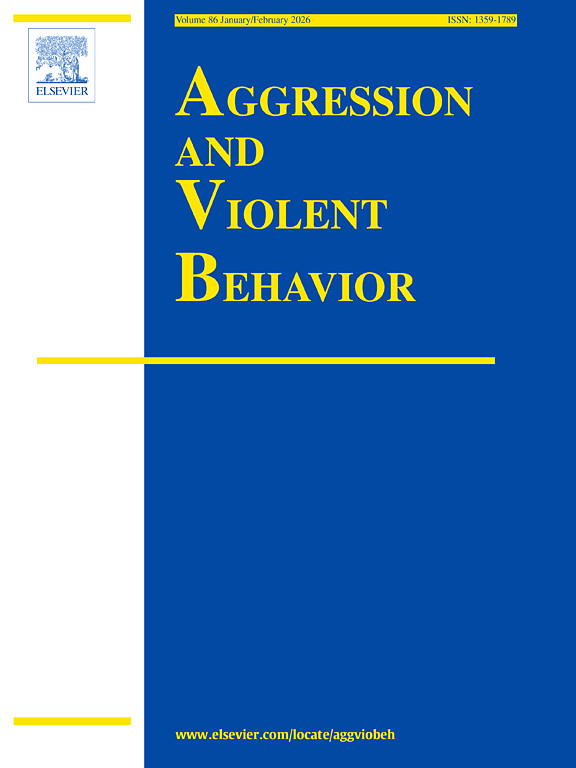
Vicarious Supervision: Preventing Cyberbullying Through Positive Parent-Child Relationships
As youth face various Internet-based risks while interacting online, parents need theoretically grounded, evidence-based insights on strategies to prevent their child(ren) from participating in inappropriate behaviors. An approach that can facilitate better decision-making online, rooted in social bond and attachment theory, is a concept we term vicarious supervision. This perspective emphasizes the parent-child relationships in […]

The Role of Hope in Bullying and Cyberbullying Prevention
Introduction: Research is clear that the cognitive-motivational internal asset of hope is significantly related to enhanced life satisfaction and psychological wellbeing. It has also shown promise in preventing participation in a variety of negative externalizing behaviors, especially antisociality, maladaptive coping, and various forms of aggression among young people. The current exploration evaluates the relationship between […]

Cyberbullying Rates Continue to Climb – Especially Among Boys
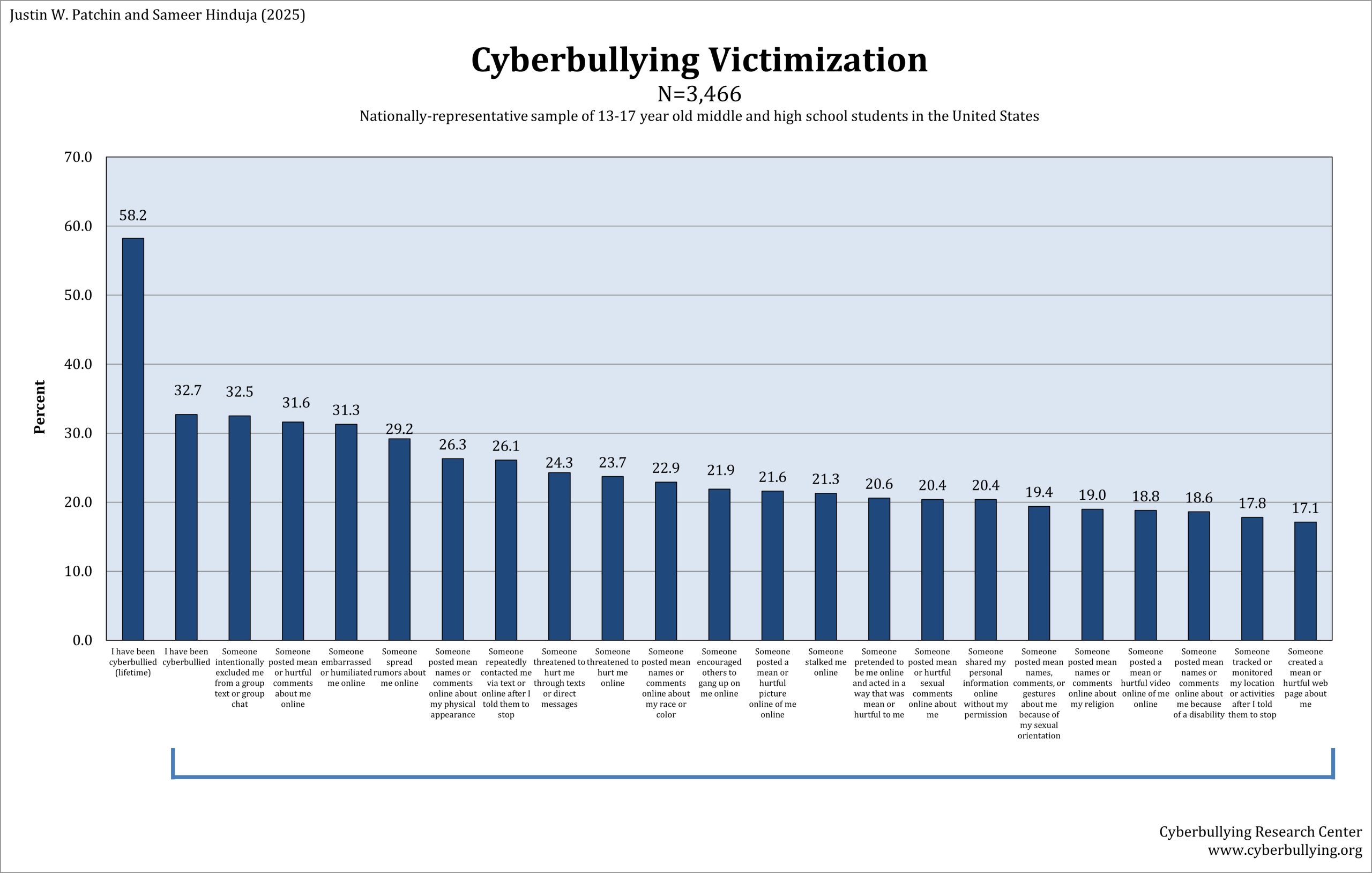
We recently collected another round of data from middle and high school students in across the United States. This sample includes about 3,500 English or Spanish speaking 13- to 17-year-olds. We used age, race, gender, and region quotas to match U.S. Census demographics as closely as possible. This is the fifth national survey we’ve conducted […]
2025 Cyberbullying Data
This study surveyed a nationally-representative sample of 3,466 English or Spanish-speaking middle and high school students between the ages of 13 and 17 in the United States. Data were collected in May of 2025. Click on the thumbnail images to enlarge. Cyberbullying Victimization. We define cyberbullying as: “Cyberbullying is when someone repeatedly and intentionally harasses, […]

Online Aggression and PTSD Symptoms: New Findings on Traumatic Outcomes
A couple of years ago, I explored the concerning link between bullying and trauma, and summarized the existing research that showed how repeated harassment involving peers at school should be considered an Adverse Childhood Experience that has the potential for long-term traumatic impacts on healthy youth development. At the time, I suggested that cyberbullying – […]