

AI Risks and Harms Among Youth
As generative artificial intelligence (GenAI) technologies rapidly evolve and become increasingly accessible, they are fundamentally reshaping the digital experiences of young people. While GenAI offers remarkable opportunities for creativity, learning, and connection, it also introduces a complex array of risks and harms – many of which are only beginning to be understood. From the spread […]

From Social to Parasocial Media: Rethinking Youth Online Safety
Think about the last time you were online. Did you use the platform to be social, or just to consume videos from people you have never met? In a recent essay in Social Media + Society, danah boyd discusses this trend, and asserts that twenty years in, the platforms we still call social media have […]

Conversational AI Chatbots and US Teens: Nearly Half Who Use Them Report Harm
Over the past two years, the public has learned the names of teens like 14-year-old Sewell Setzer III, who developed a romantic attachment to a Character.AI chatbot, and 16-year-old Adam Raine, whose extended conversations with ChatGPT culminated in the bot providing specific suicide guidance. These tragedies surfaced a question many of us in the youth […]
Sextortion and Teen Suicide
Seventeen-year-old Jordan DeMay met a pretty girl on Instagram who convinced him to share an explicit photo. After he did, “she” demanded $1,000. Fifteen-year-old Bradyn Bohn connected with someone on Facebook who made him laugh. He too was persuaded to share a private image. The new friend demanded money, or the images would be shared […]

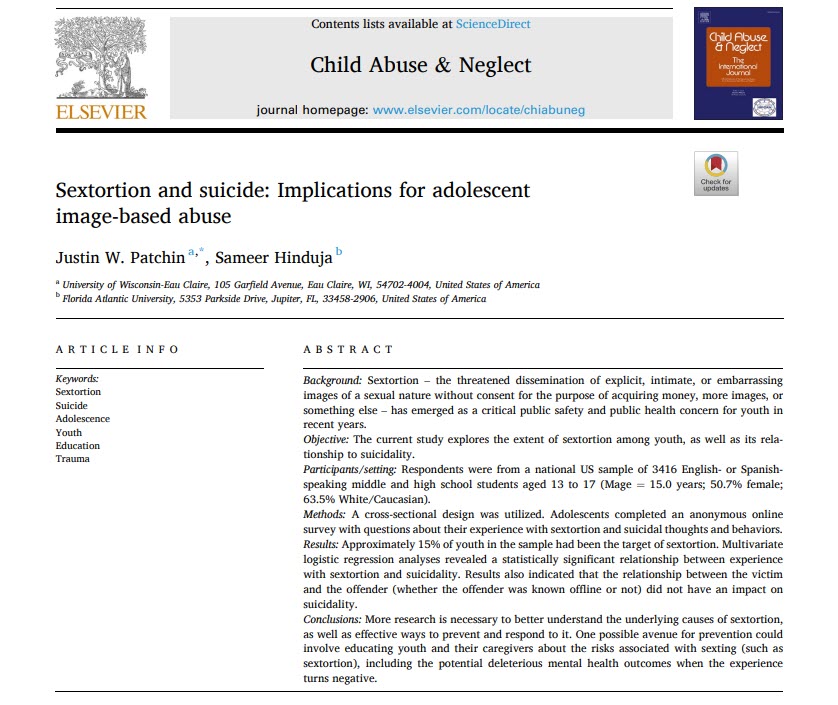
Sextortion and Suicide: Implications for Adolescent Image-Based Abuse
Background: Sextortion – the threatened dissemination of explicit, intimate, or embarrassingimages of a sexual nature without consent for the purpose of acquiring money, more images, orsomething else – has emerged as a critical public safety and public health concern for youth inrecent years.Objective: The current study explores the extent of sextortion among youth, as well […]
Preventing Cyberbullying Through Vicarious Supervision: Results from New Research
I’ve long been interested in the role of parents in preventing children from participating in problematic behaviors online. Parents should talk with their children about the responsible use of technology and allow access to apps and games at developmentally appropriate ages and in proper amounts. They should also utilize appropriate tools to restrict incidental access […]
Youth, Generative AI, and Social Chatbots: What We’re Learning, and What Comes Next
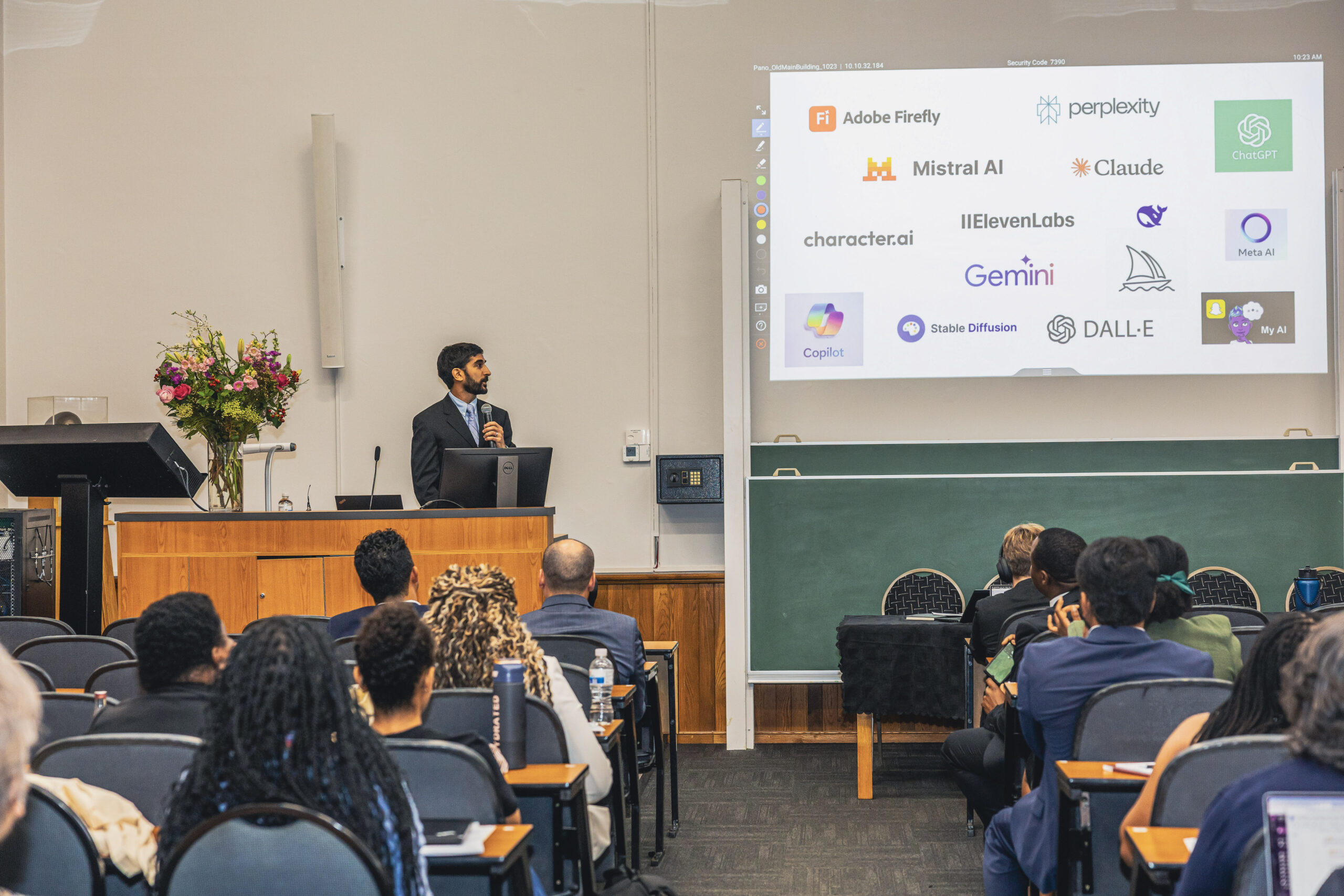
This training – customized for either youth-serving practitioners or youth themselves – will equip attendees with a comprehensive understanding of generative artificial intelligence (GenAI), its growing ubiquity, its benefits and contributions to individuals and society, and the attendant risks and harms to consider and mitigate. Through anonymous flash polling, participants will share their own positive […]

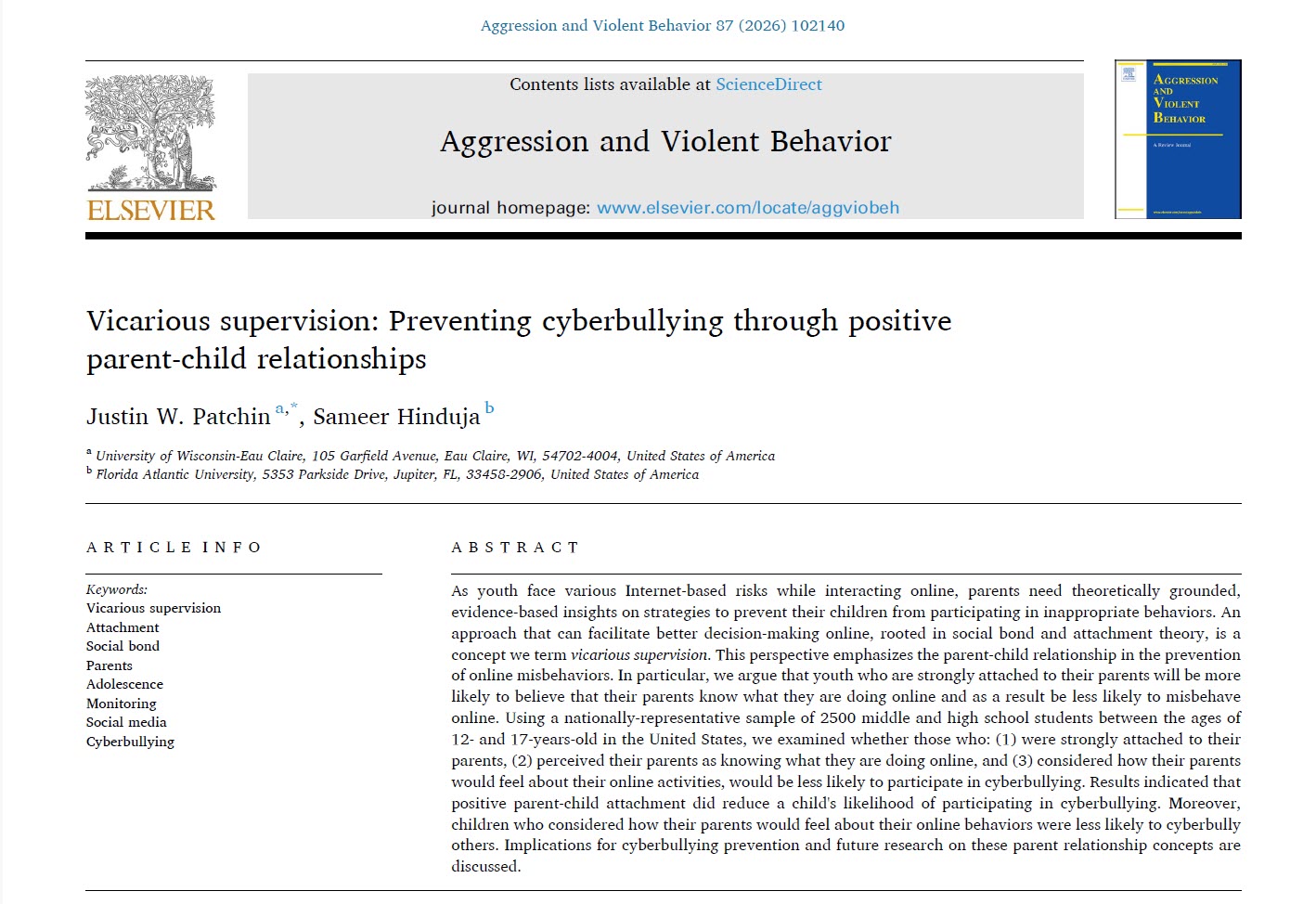
Vicarious Supervision: Preventing Cyberbullying Through Positive Parent-Child Relationships
As youth face various Internet-based risks while interacting online, parents need theoretically grounded, evidence-based insights on strategies to prevent their child(ren) from participating in inappropriate behaviors. An approach that can facilitate better decision-making online, rooted in social bond and attachment theory, is a concept we term vicarious supervision. This perspective emphasizes the parent-child relationships in […]

Can a School Suspend a Student for Writing an Email that was Never Sent?
On the morning of October 9, 2024, “N.M.,” a sophomore at Marana High School in Marana, Arizona, was sitting next to his mother, Karalee Merrill, complaining about a poor grade he had received on an English assignment. His mom suggested he email the teacher to inquire about how to improve his grade. N.M. opened his […]
An AI Bot Chose Violence
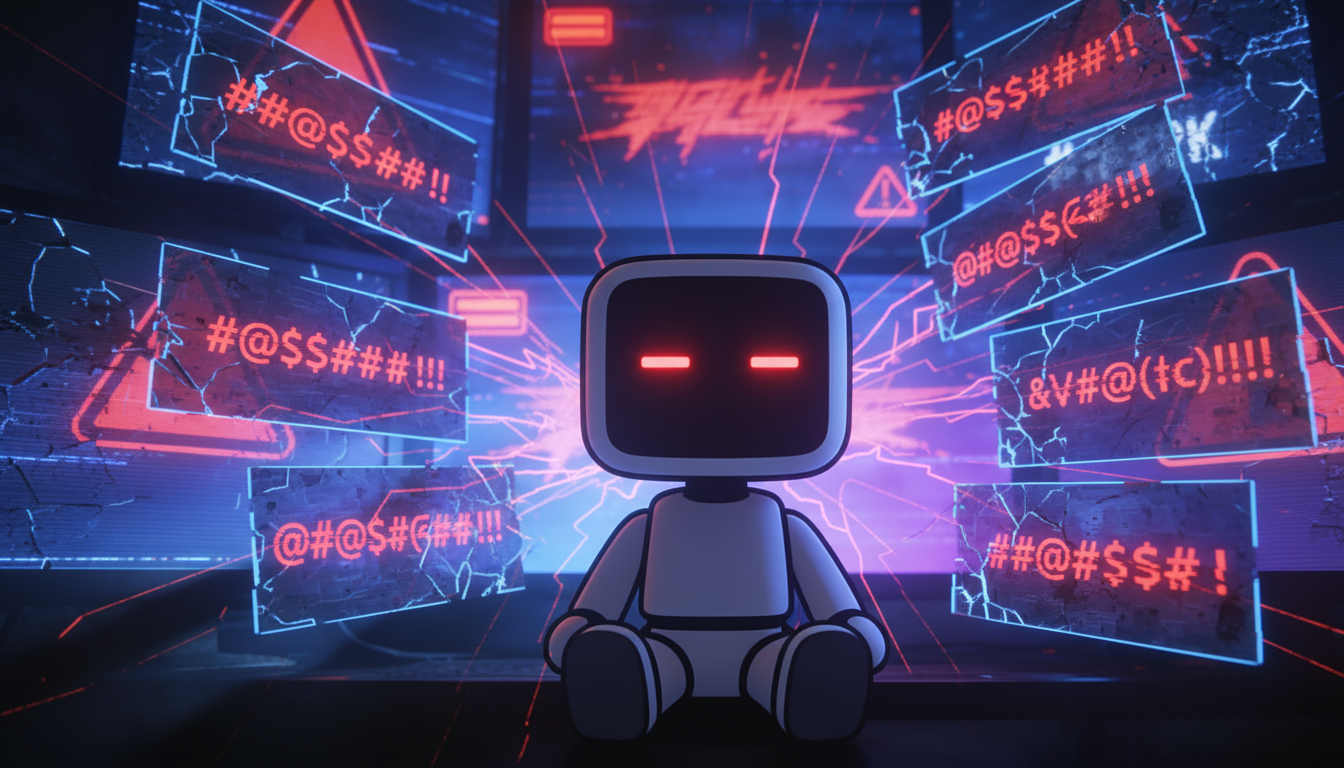
Something happened recently in the field of AI that everyone should know about. An AI bot, with no human giving it a direct order in the moment, chose to retaliate against a real person. It researched him, dug up personal details about his life, and published a hit piece designed to damage his reputation. I […]